Jamaica, a vibrant island nation in the Caribbean, is known for its rich cultural heritage shaped by African, European, and indigenous influences. This diversity is reflected in many aspects of daily life, including clothing, language, literature, music and dance, and various festivals. Here’s an overview of these elements:
Traditional Jamaican clothing is a blend of African and European styles, reflecting the island’s history and diverse heritage. The most well-known traditional attire includes the bandana outfit, worn mainly by women. This consists of a long, flowing skirt and a matching headwrap made from bright plaid cotton fabric. It is often worn during cultural celebrations and folk performances. Men traditionally wear simple linen shirts and trousers, suitable for the warm Caribbean climate. In rural areas, farmers and fishermen often wear straw hats to shield themselves from the sun. During festivals and national celebrations, Jamaicans embrace vibrant colors and creative fashion, often influenced by Rastafarian culture, which incorporates red, green, and gold—the symbolic colors representing African heritage and unity.
2.Language and LiteratureEnglish is the official language of Jamaica, but the heart of Jamaican identity lies in Patois (Jamaican Creole), a unique blend of English, African, and Spanish influences. Patois is widely spoken in everyday life, from casual conversations to music and poetry, giving Jamaican culture its distinct rhythm and expression. Jamaican literature is rich and deeply tied to the island’s history, struggles, and resilience. Notable writers like Louise Bennett-Coverley (Miss Lou) celebrated Patois in her poetry, while Claude McKay was an influential figure in the Harlem Renaissance, bringing attention to Caribbean identity and struggles. More recently, authors like Marlon James, winner of the Man Booker Prize, have brought global recognition to Jamaican storytelling, exploring themes of colonialism, politics, and social justice.
3.Music and DanceJamaica is globally recognized for its contribution to music, particularly reggae, which emerged in the 1960s as a voice for the oppressed. Bob Marley, one of the most famous musicians in history, brought reggae to the world, promoting messages of peace, love, and unity. Before reggae, Jamaica had mento, a traditional folk music style with lively rhythms played on acoustic instruments like banjos and maracas. Later, ska and rocksteady paved the way for reggae and its later evolution, dancehall, which remains a dominant genre today. Dance is an integral part of Jamaican culture, with traditional forms like the lively Dinki Mini, which originated from African funeral traditions, and Brukins, a dance from colonial times. Today, dancehall moves, often energetic and expressive, are celebrated in clubs and international dance competitions.
4.Ceremonies and FestivalsJamaican festivals are lively and colorful, reflecting the nation’s deep cultural pride. The most famous is Jamaica Carnival, held in April, where people take to the streets in elaborate costumes, dancing to soca and dancehall music. Another significant event is Independence Day on August 6th, celebrated with parades, concerts, and traditional foods. Jonkonnu, an Afro-Jamaican festival with roots in slavery, features masked dancers and vibrant street performances, especially during Christmas. Rastafarian ceremonies, such as Nyabinghi gatherings, involve drumming, chanting, and spiritual reflection, showcasing the island’s religious diversity. Additionally, Reggae Sumfest, the largest reggae festival in the world, attracts thousands of music lovers every year.
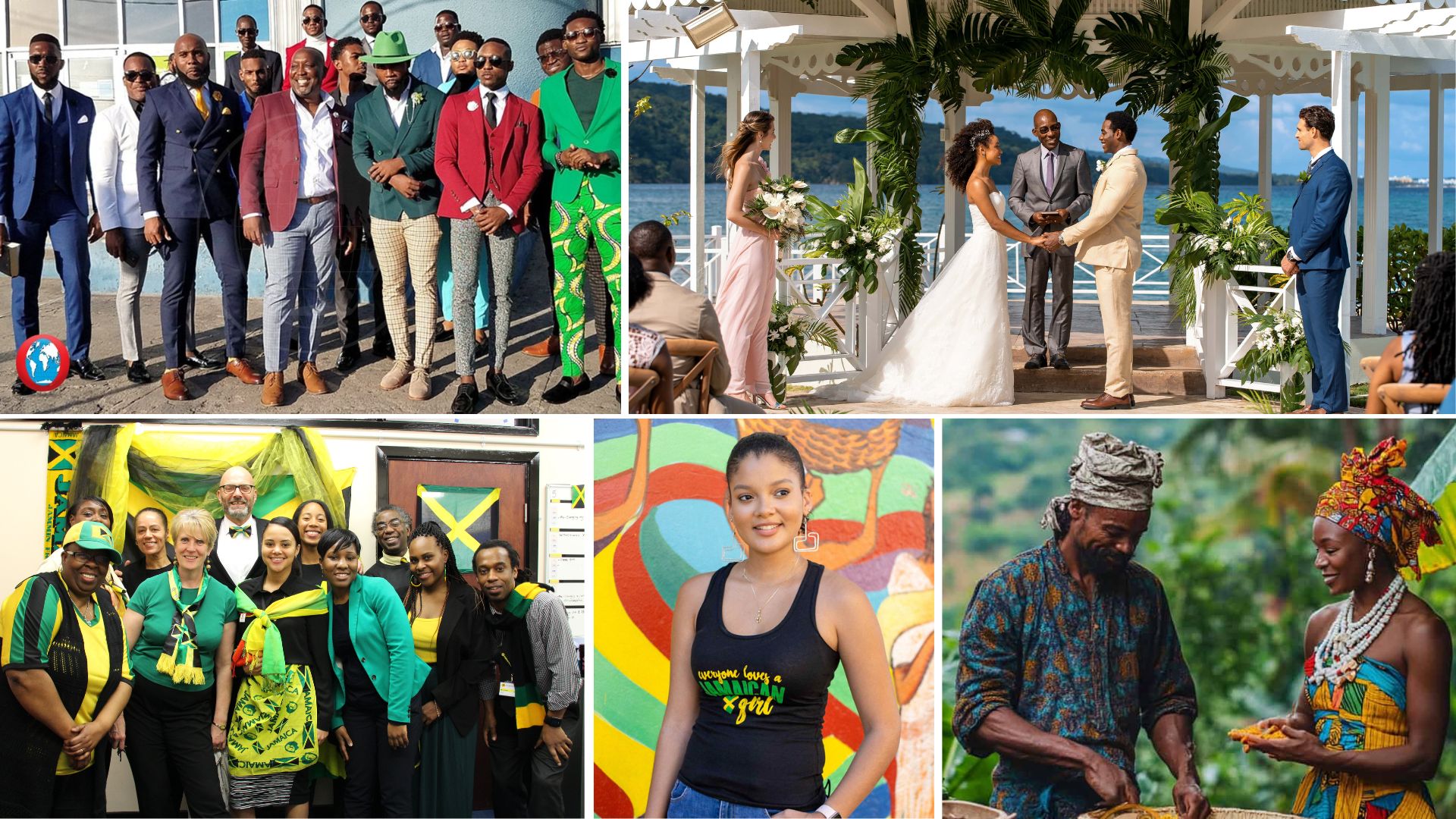
Jamaica Clothing
Jamaica’s fashion and clothing reflect its vibrant culture and tropical climate. While modern Jamaicans typically wear Western-style clothing, traditional attire remains important, especially during cultural events and rural life. In urban areas, casual outfits like t-shirts, jeans, and light dresses are popular due to the island’s warm weather. The bandana outfit, a bright plaid dress with a matching headwrap, is a well-known traditional garment often worn at celebrations. Rastafarian culture also influences fashion, with red, green, and gold colors symbolizing African heritage. In rural areas, farmers and vendors often wear straw hats for sun protection. Jamaican fashion blends African, European, and indigenous influences, reflecting its rich and diverse history.
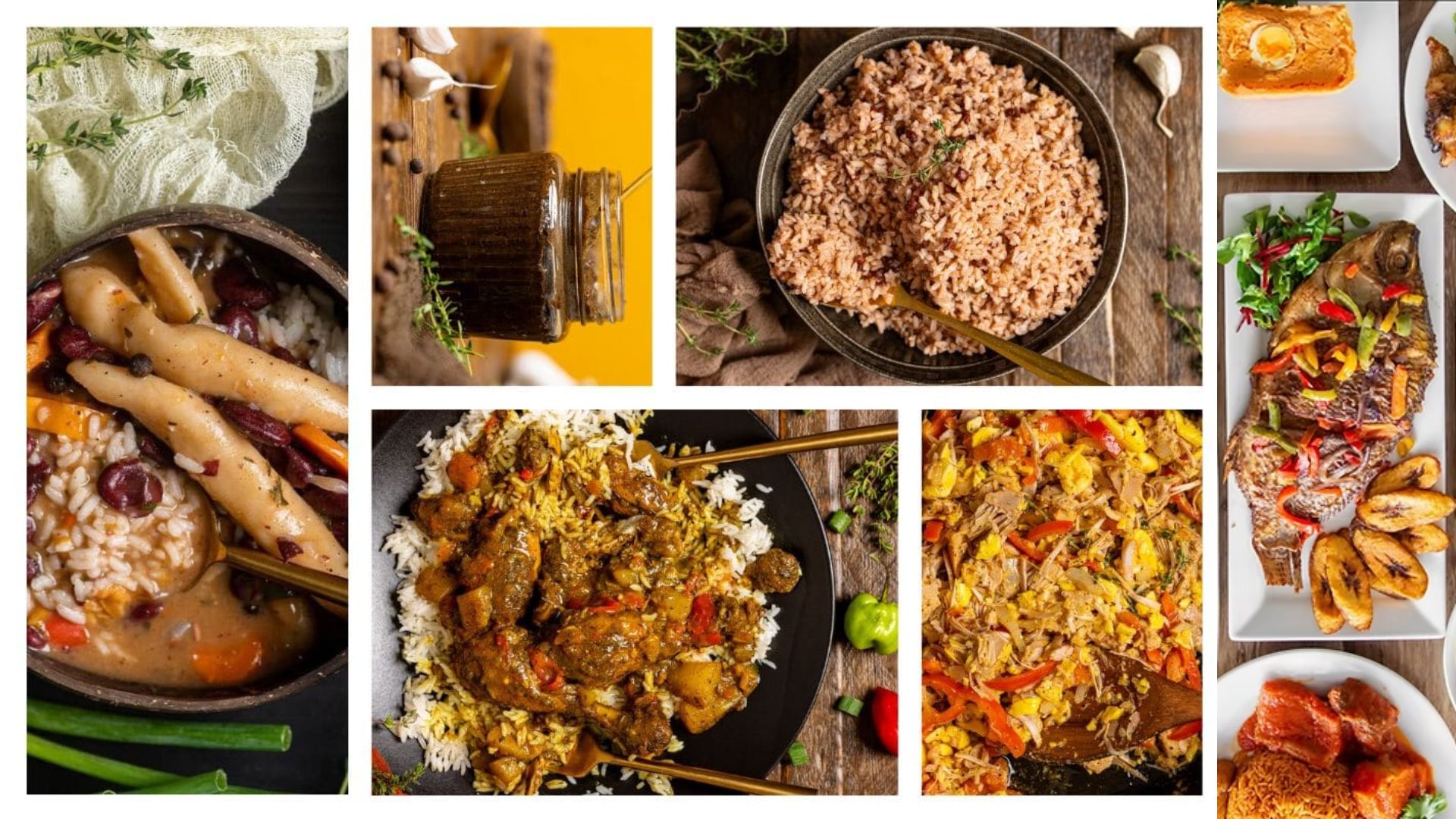
Jamaica Food
Jamaican cuisine is as diverse and flavorful as its culture, with each region offering unique dishes and ingredients. Ackee and saltfish, a savory mix of salted cod and ackee fruit, is the national dish, often served with fried dumplings or boiled bananas. In the north, seafood is popular, with dishes like escovitch fish—fried fish topped with pickled vegetables. The island is famous for jerk cooking, a spicy method of grilling meats seasoned with pimento and Scotch bonnet peppers. The south offers rich stews like mannish water, a spicy goat soup. Street food is a staple, with favorites like patties (flaky pastry with spiced fillings), bammy (cassava flatbread), and festival (sweet fried dough). Jamaican food blends African, European, and indigenous influences, creating bold and unforgettable flavors.
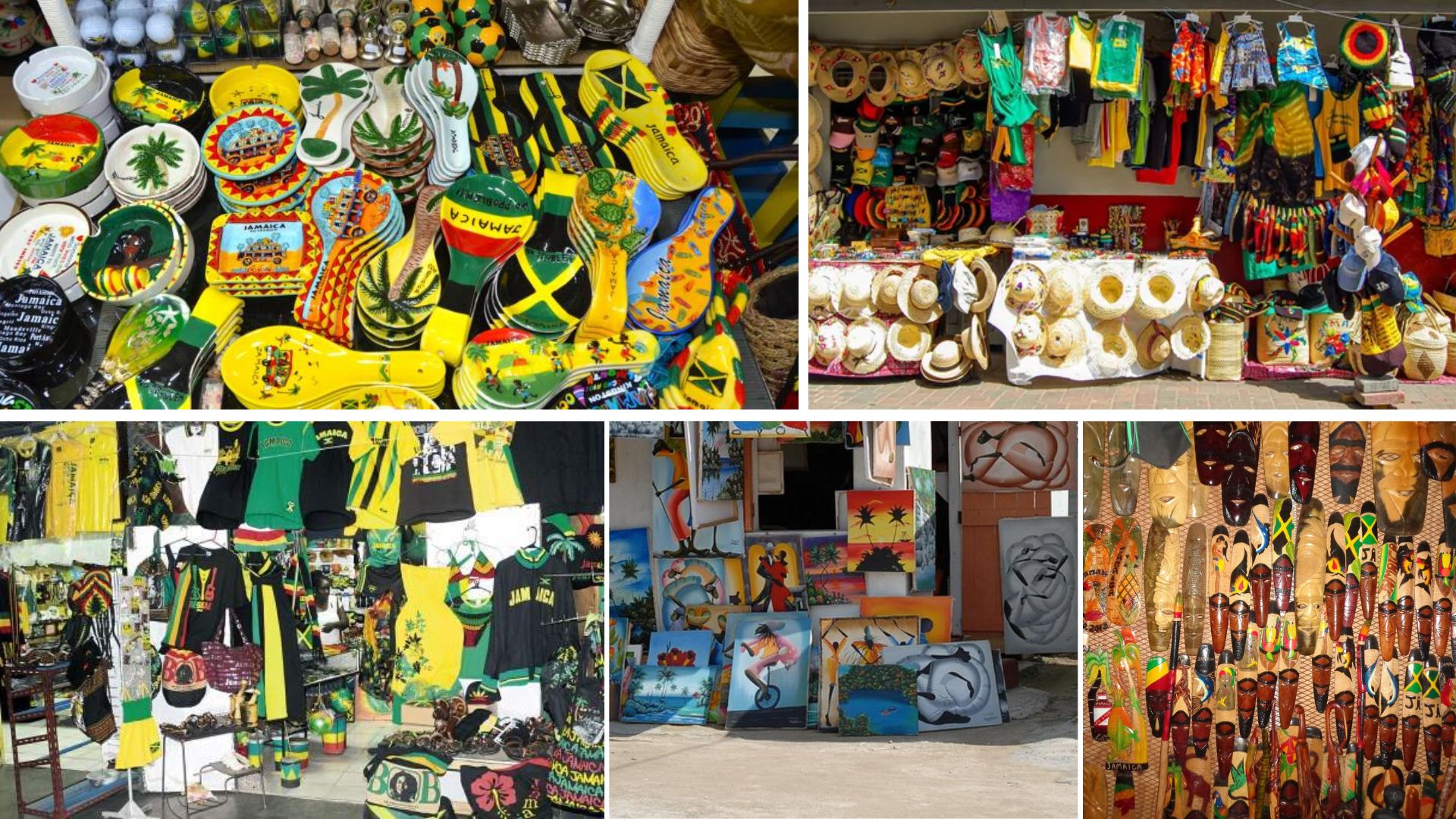
Jamaica Arts and Crafts
Jamaica has a rich tradition of arts and crafts, influenced by its African, European, and indigenous heritage. Handcrafted items such as wood carvings, pottery, and woven baskets are common in rural areas and local markets. These crafts showcase intricate designs and natural materials like bamboo and calabash. Jamaican artisans are known for their bold use of color, seen in paintings, textiles, and beaded jewelry. The island’s street art, especially in Kingston, is vibrant and often carries social and political messages. The urban art scene is expanding, with artists like Kapo gaining recognition for their unique styles. Jamaican arts and crafts celebrate cultural pride and the island’s creative spirit.
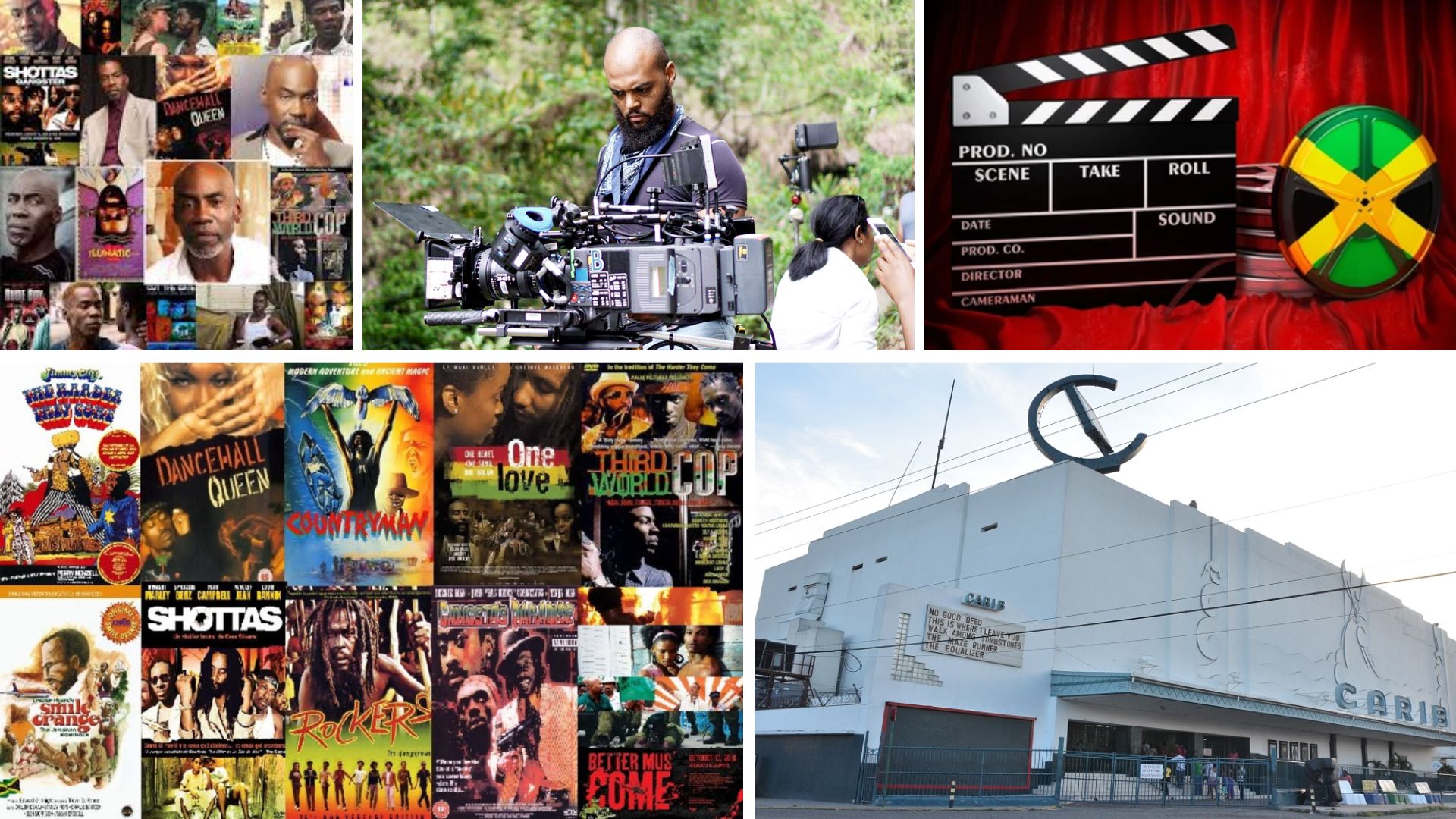
Jamaica Film Industry
The Jamaican film industry, gaining prominence in the 1970s, was driven by a desire to showcase the realities of life on the island, particularly themes of struggle and resilience. The iconic film The Harder They Come, starring Jimmy Cliff, brought global attention to Jamaican cinema and reggae culture. In recent years, the industry has continued to grow, producing films like Shottas, which explores crime and survival, and Sprinter, a coming-of-age sports drama. Jamaican filmmakers often focus on themes like poverty, identity, and music, providing an authentic look into the nation’s rich culture and social landscape.

jamaica Economy
As one of the largest economies in the Caribbean, Jamaica plays a key role in regional trade. The country is a major exporter of agricultural products like bananas, coffee, sugar, and rum, benefiting from its fertile land. Tourism is a major economic driver, attracting millions of visitors to its beaches and resorts. Jamaica also has a growing services sector, particularly in finance and business outsourcing. Despite its strengths, the country faces challenges like high debt, unemployment, and vulnerability to natural disasters. However, ongoing economic reforms and investments in infrastructure and technology are helping drive growth, making Jamaica a significant player in the Caribbean’s developing economy.